ws bees hero lavender

The Importance of Bees

A species small enough to hold in your palm, and load-bearing enough to hold up a food system.

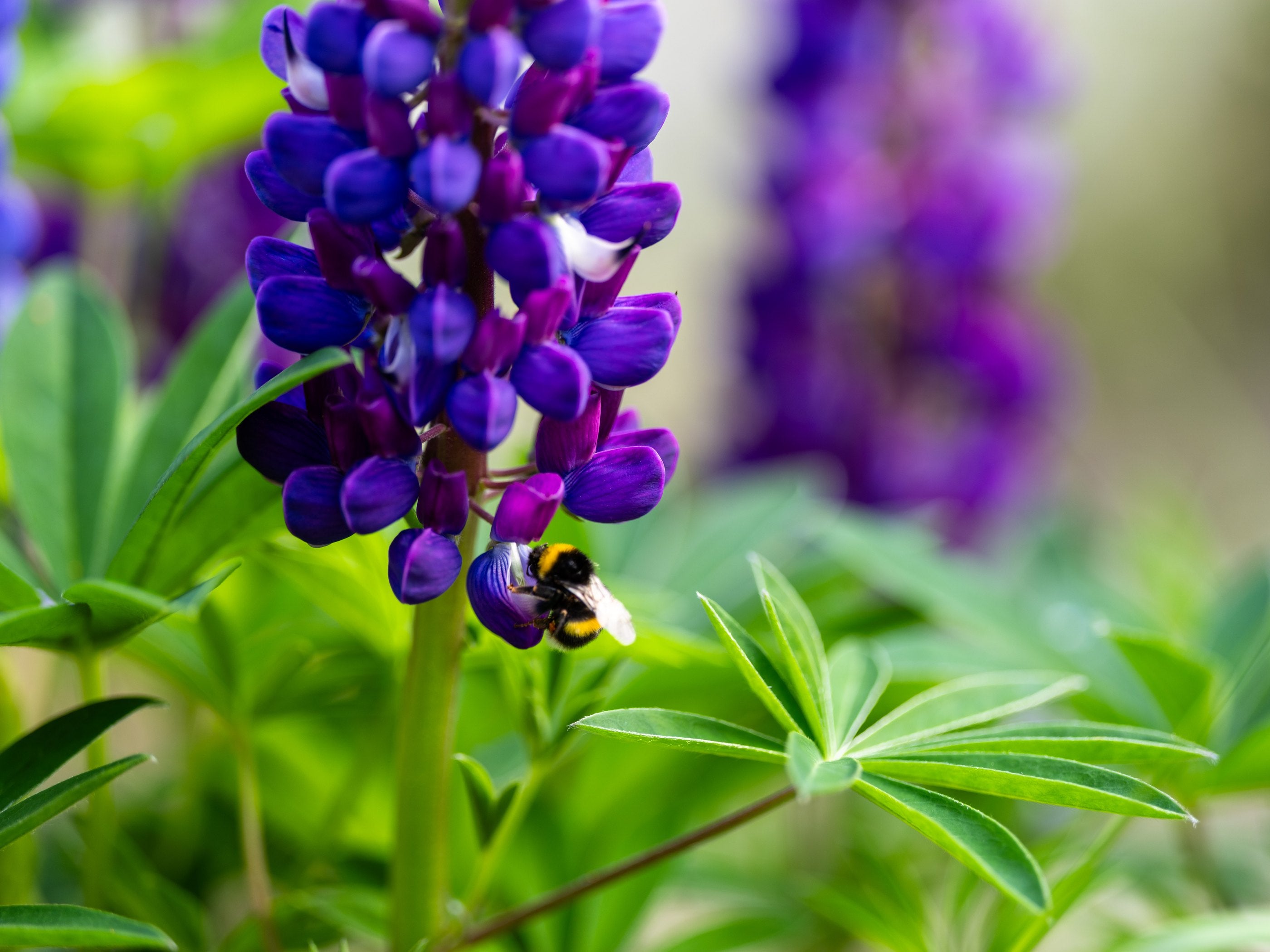
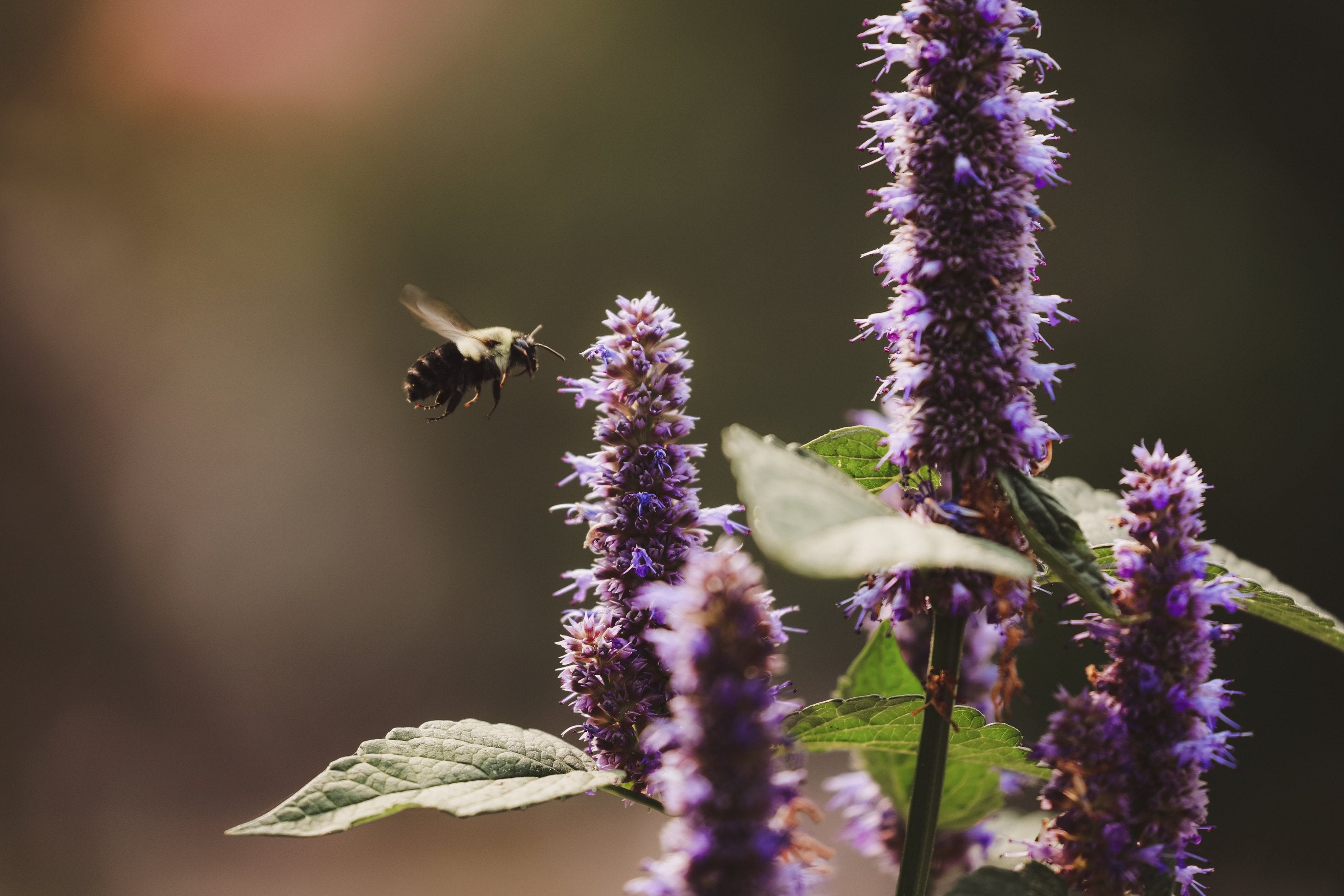
Roughly one in three bites of food on your plate exists because a bee, or another pollinator, visited a flower first. Almonds, apples, blueberries, coffee, and dozens of other crops depend on pollination that bees perform for free, at a scale no human process replicates at comparable cost. Take bees out of the picture and the effect isn't hypothetical: yields drop, prices rise, and entire crops become unreliable.
ws bees keystone

A Keystone Species

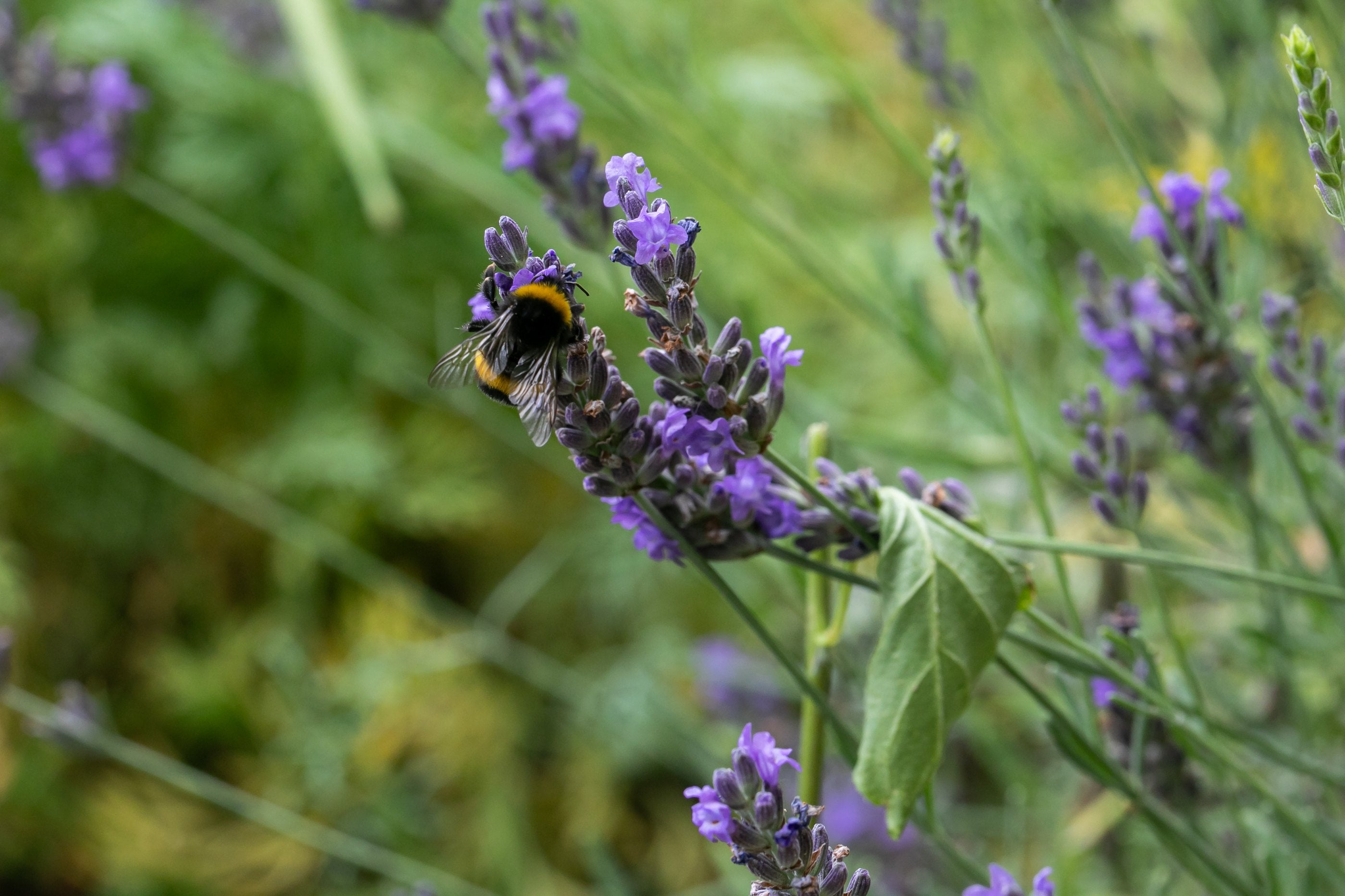
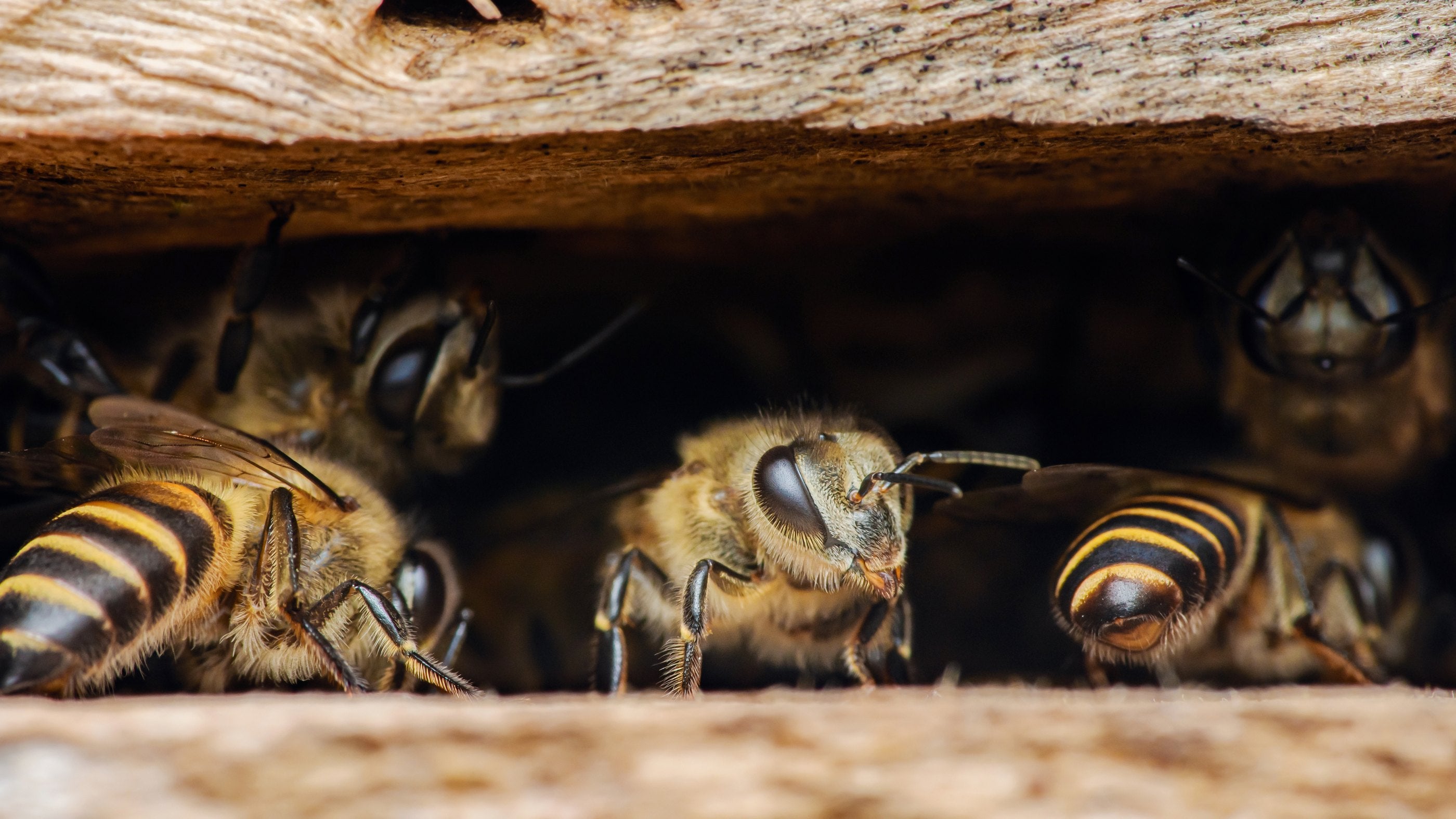
Bees are what ecologists call a keystone species: their presence or absence reshapes the ecosystem around them far more than their size would suggest. Wildflowers, hedgerows, and the insects and birds that depend on both are all downstream of healthy pollinator populations. When bee populations decline, the effect moves outward through the food web long before most people notice it at the grocery store.

ws bees pressure

A Species Under Pressure

Honey bee colonies have faced significant losses over the past two decades, driven by a combination of habitat loss, pesticide exposure, parasites like the varroa mite, and the stress of disease. No single cause explains the decline, which is part of why no single fix solves it. What helps is more people paying closer attention to more hives, more consistently, and sharing what they observe.

ws bees caring

What Caring for Bees Actually Looks Like

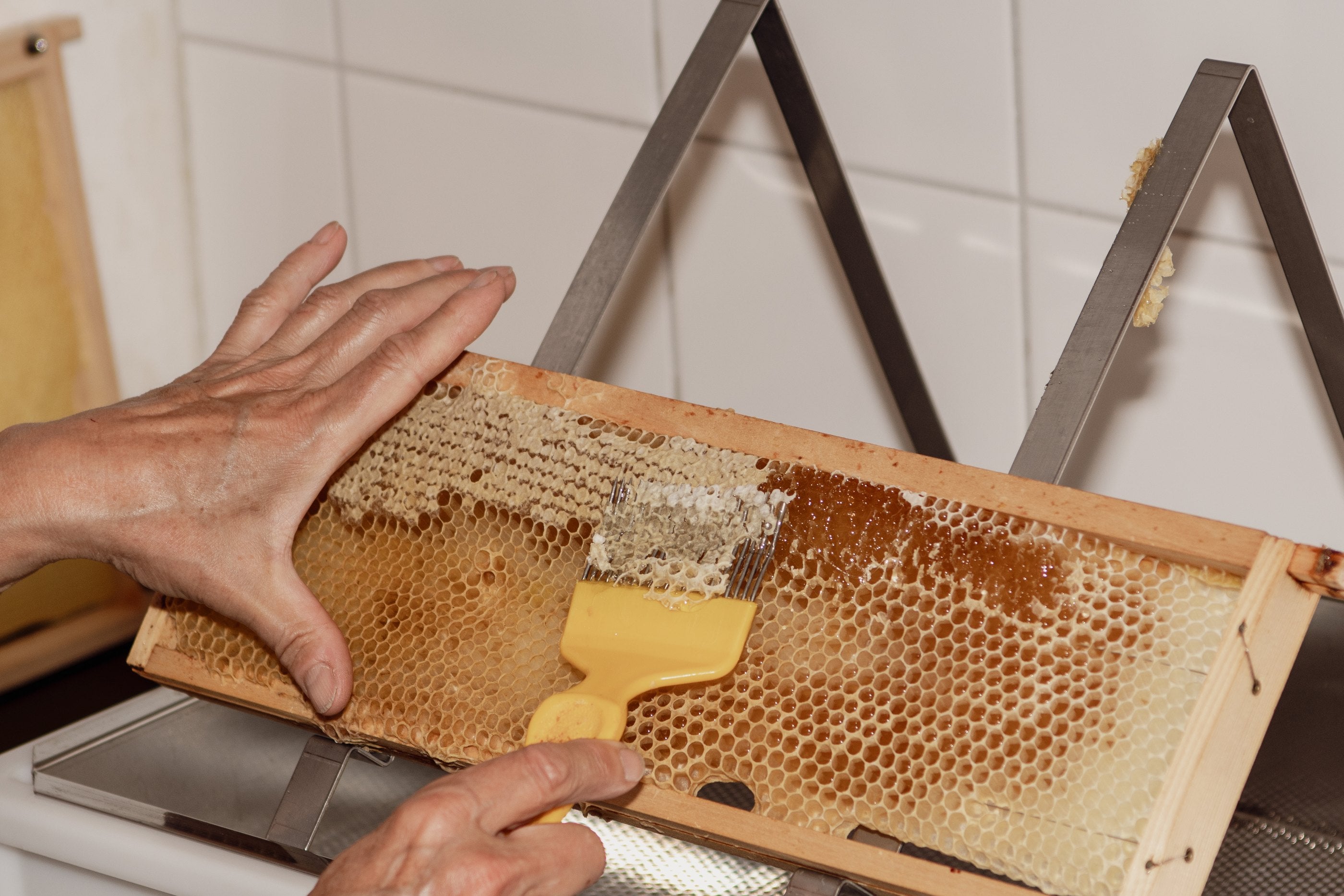
This is where beekeeping stops being a hobby and starts being a practice. A well-tended hive is healthier, more resilient to disease, and more productive, and the beekeeper tending it becomes part of a distributed network of people watching colony health up close. That's the shift from beekeeping to bee caring: less about extracting honey, more about sustaining the species doing the work.

Want to be part of it? Join the newsletter for bee care guidance, or explore the Bee Care library to start learning.